Kratom Side Effects You Should Not Ignore: Risks, Withdrawal, and What Science Really Says
- Find Luxury Rehab

- Apr 23
- 4 min read
Introduction: The Truth About Kratom That Most People Miss
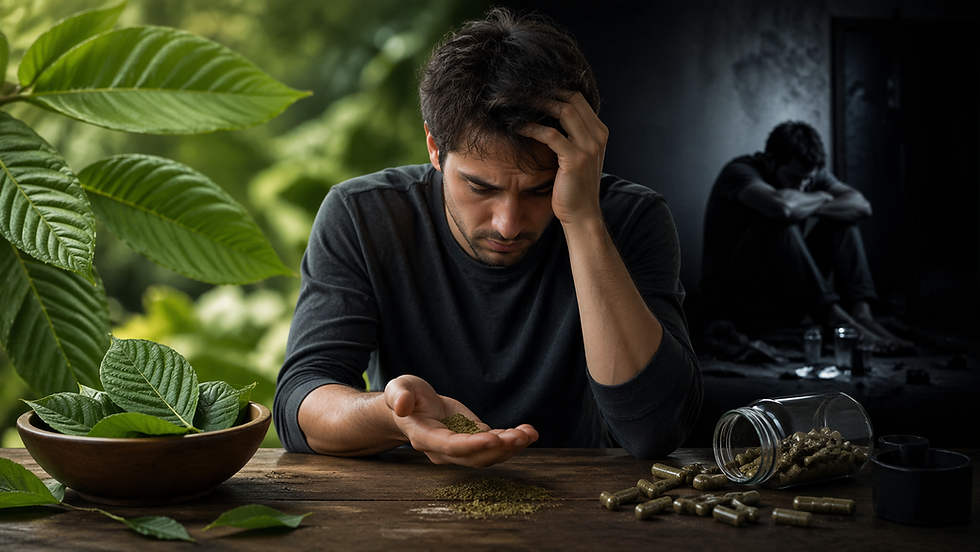
Kratom has built a reputation as a “natural” solution for pain, energy, and even opioid withdrawal. On the surface, it sounds like a safer option.
But in real life, the story is often different.
Across the United States, more people are quietly struggling with kratom side effects, dependency, and withdrawal symptoms they did not expect. What starts as occasional use can slowly turn into something harder to control.
If you have searched things like “is kratom addictive” or “how to quit kratom safely,” you are not alone.
This guide breaks everything down in a simple, honest way. You will understand what kratom actually does, the risks involved, and what to do if things start going in the wrong direction. If you are already concerned, you can explore support options through Find Luxury Rehab.
What Is Kratom and Why Do People Use It?
Kratom comes from a plant native to Southeast Asia. It interacts with the same brain receptors as opioids, which is why it can change how you feel.
At low doses, people say it gives them energy. At higher doses, it can feel calming or even sedating.
People usually turn to kratom for a few common reasons:
To manage chronic pain
To boost focus or energy
To deal with stress or anxiety
To ease opioid withdrawal
The problem is that many users assume it is completely safe because it is plant-based. That assumption can be risky.
Common Kratom Side Effects
Even short-term use can cause noticeable changes.
Physical Effects
Nausea
Constipation
Dry mouth
Increased heart rate
Drowsiness
Mental and Emotional Effects
Anxiety
Irritability
Mood swings
Trouble sleeping
Some people brush these off at first. Over time, though, they can get worse or harder to ignore.
When It Gets Serious
With higher doses or frequent use, more severe problems can show up:
Liver issues
Seizures
Breathing problems
Hallucinations
Long-Term Risks That Are Easy to Overlook
This is where kratom becomes more concerning.
Dependence Can Build Slowly
You may not notice it at first. But over time, your body starts to rely on it. You may need more to feel the same effects.
It Can Affect Your Health
Long-term use has been linked to:
Liver stress
Digestive issues
On going fatigue
Mental Health Can Take a Hit
People often report increased anxiety, low mood, or brain fog after extended use.
Kratom Withdrawal Feels More Real Than People Expect
One of the biggest surprises for many users is how difficult it can be to stop.
Common Withdrawal Symptoms
Muscle aches
Trouble sleeping
Sweating
Irritability
Strong cravings
What the Timeline Looks Like
For many people:
Symptoms begin within a day
They peak around days two to four
Physical symptoms ease after about a week
Emotional symptoms can last longer
This is often the point where people realize they need help.
What Research Actually Says
Kratom is still being studied, but a few things are clear.
It affects opioid receptors in the brain. That alone raises concerns about dependency.
It is not approved by the FDA for medical use. There is also very little regulation, which means product quality can vary a lot.
In some cases, products have been found to contain harmful contaminants.
A Practical Way to Step Back from Kratom
If you are starting to feel the effects, it is important to take action early.
1. Pay Attention to Changes
Notice how often you are using it and how you feel without it.
2. Avoid Quitting Too Fast
If you have been using regularly, stopping suddenly can make withdrawal worse.
3. Get Support
This is where professional help can make a real difference. Medical detox programs are designed to make the process safer and more manageable. You can learn more about drug detox programs that focus on comfort and care.
4. Consider a Structured Program
For many people, stepping away from daily triggers is key. Programs like inpatient rehab provide that space and support.
5. Address the Bigger Picture
If stress, anxiety, or other mental health challenges are part of the issue, they need attention too. Dual diagnosis treatment can help with both sides at once.
A Real-World Situation
A professional in New York started using kratom to manage stress and stay productive. At first, it worked.
But over time, sleep became difficult. Anxiety increased. Stopping felt impossible.
Eventually, he reached out through Find Luxury Rehab and entered a structured program.
With medical support and therapy, he was able to reset and rebuild healthier habits.
His experience is not unusual.
Mistakes That Make Things Worse
A lot of people run into the same issues:
Thinking natural means safe
Mixing kratom with alcohol or medications
Ignoring early warning signs
Trying to quit alone
Waiting too long to get help
What Experts Recommend
If there is one consistent message from professionals, it is this:
Act early.
A few practical tips:
Be honest about your usage
Do not combine substances
Look for quality care, not quick fixes
Focus on both physical and mental recovery
Why Many People Choose Luxury Rehab
For individuals who value privacy and personalized care, luxury rehab offers a different level of support.
These programs typically include:
Comfortable, private settings
Customized treatment plans
More one-on-one attention
Holistic options like nutrition and wellness support
For professionals or those with demanding lives, this environment can make a real difference.
Final Thoughts: Pay Attention Before It Escalates
Kratom does not always seem risky at first. That is part of what makes it easy to overlook.
But for many people, the side effects and dependency build over time.
The good news is that you can take control before it gets worse.
If something feels off, trust that instinct. You can explore your options through Find Luxury Rehab.
Taking that first step can change everything.

Comments