Are We Overlooking the Real Impact of Opioid Deaths in the US?
- Find Luxury Rehab

- Apr 22
- 5 min read
Updated: Apr 23

Introduction
What if the crisis we think is improving is still quietly taking hundreds of lives every single day?
Opioid deaths in the United States may no longer dominate headlines the way they once did, but the reality on the ground tells a far more troubling story. Behind every statistic is a person, a family, and a community left to deal with loss that often feels preventable.
In recent years, reports have suggested that overdose deaths are stabilizing or even declining. That sounds like progress. But is it the full picture?
The truth is, the opioid crisis is not ending. It is evolving. And in many ways, the real impact of opioid deaths is being overlooked.
The Reality Behind the Numbers
To understand the scale of the issue, we need to look at the data carefully.
In 2023, the United States recorded approximately 79,000 opioid-related deaths, according to national health data. While early estimates in 2024 and 2025 suggest a slight decline in overall overdose fatalities, the numbers remain alarmingly high.
Even with a modest drop, opioid deaths still account for the majority of drug-related fatalities in the country.
Key trends shaping the crisis include the following:
· A plateau rather than a true decline in death rates
· Continued dominance of opioids in overdose statistics
· Shifts in geographic hotspots rather than nationwide improvement
The numbers suggest progress, but the reality tells a different story. A small decrease does not erase the magnitude of lives lost each year.
Why “Declining Deaths” Can Be Misleading
At first glance, reports of declining opioid deaths may seem like a turning point. But this perception can be dangerously misleading.
Underreporting and Delayed Data
Death reporting systems are often delayed, and some overdose cases are misclassified. This creates gaps in the data that can mask the true scale of the crisis.
Regional Disparities
While some states show improvement, others continue to experience rising death rates. Rural areas and underserved communities are often hit the hardest, with limited access to care.
The Rise of Synthetic Opioids
The biggest factor reshaping opioid deaths is the rise of synthetic drugs like fentanyl.
Fentanyl now accounts for the majority of opioid-related fatalities. It is more potent, more unpredictable, and often mixed into other substances without the user’s knowledge.
This means that even occasional drug use can become fatal.
The Hidden Impact Beyond Deaths
Focusing only on mortality numbers overlooks the deeper consequences of the opioid crisis.
Families Left Behind
Every opioid death affects parents, children, spouses, and friends. The emotional trauma can last for generations.
Economic Burden
The cost of the opioid epidemic in the United States runs into hundreds of billions of dollars annually. This includes healthcare expenses, lost productivity, and criminal justice costs.
Mental Health Crisis
Substance use and mental health are deeply connected. Communities affected by opioid deaths often see increased rates of depression, anxiety, and suicide.
Impact on Children and Communities
Children who lose parents to addiction face higher risks of poverty, instability, and long-term psychological harm.
The ripple effect of opioid deaths extends far beyond the individual.
The Role of Fentanyl and Synthetic Drugs
One of the most alarming developments in recent years is the dominance of fentanyl.
Synthetic opioids like fentanyl are now responsible for a significant portion of overdose deaths in the US. Estimates suggest that nearly 199 people die each day from fentanyl-related overdoses.
Why is fentanyl so dangerous?
· It is up to 50 times stronger than heroin.
· It is often mixed with other drugs without warning.
· Even a small dose can be lethal.
This shift has made the opioid crisis more unpredictable and more deadly than ever before.
The presence of fentanyl has changed the risk landscape entirely. What was once considered occasional or recreational use can now result in immediate fatality.
Treatment Gap: The Biggest Problem No One Talks About
Despite the scale of opioid deaths, access to treatment remains shockingly limited.
Research shows that only about 6.3 percent of individuals with opioid use disorder receive proper treatment.
This is one of the most critical failures in addressing the crisis.
Barriers to treatment include:
· Limited availability of specialized care
· Long waiting lists for rehab facilities
· Lack of awareness about treatment options
Many individuals who need help simply do not receive it.
Access to effective addiction treatment programs can be life-saving, yet millions remain untreated.
Why People Are Not Getting Help
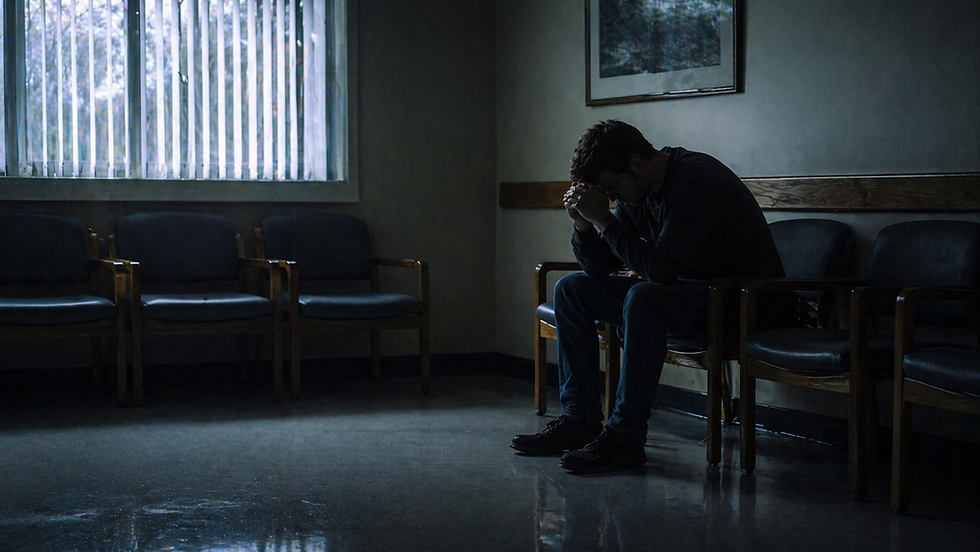
Understanding the treatment gap requires looking at the human factors behind it.
Stigma
Addiction is still widely misunderstood. Many people fear being judged or labeled, which prevents them from seeking help.
Cost
High-quality treatment can be expensive, and not everyone has adequate insurance coverage.
Lack of Access
In many regions, especially rural areas, treatment facilities are scarce.
Fear and Denial
Some individuals do not recognize the severity of their condition or fear the process of recovery.
For those seeking a more discreet and supportive environment, private rehab for opioid addiction can offer a path to recovery without public exposure.
The Rise of Luxury Rehab and Personalized Care
As awareness grows, there is increasing demand for more personalized and effective treatment options.
Luxury rehab centers are emerging as a powerful solution for individuals who need comprehensive care in a private setting.
These facilities offer the following:
· Privacy and confidentiality
· Customized treatment plans
· Holistic therapies including mental health support, nutrition, and wellness
· Comfortable environments that reduce stress and promote healing
Platforms like Find Luxury Rehab are playing a crucial role in bridging the treatment gap by connecting individuals with trusted luxury rehab centers, making it easier to access high-quality, personalized care when it’s needed most.
Personalized care is not just a luxury. For many, it is the difference between relapse and long-term recovery.
What Needs to Change in 2026 and Beyond
If the US is to truly reduce opioid deaths, a more comprehensive approach is needed.
Policy Changes
Stronger regulations around synthetic opioids and improved data tracking systems are essential.
Increased Awareness
Public education campaigns must address stigma and encourage early intervention.
Early Intervention
Identifying substance use issues early can prevent escalation and save lives.
Integration of Mental Health Care
Addiction cannot be treated in isolation. It must be addressed alongside mental health conditions.
A more integrated approach to mental health and addiction recovery is critical for long-term success.
Conclusion
So, are we overlooking the real impact of opioid deaths in the US?
The evidence suggests that we are.
While the numbers may show signs of improvement, the human cost remains devastating. The rise of fentanyl, the persistent treatment gap and the deep societal impact all point to a crisis that is far from over.
Opioid deaths are not just statistics. They are stories of lives cut short and opportunities lost.
The question is no longer whether the crisis exists. It is whether we are willing to confront its full reality and take meaningful action.
Because behind every number is someone who could have been saved.
Comments